Supplier Approval Is More Than Collecting Certificates
Supplier Approval Is More Than Collecting Certificates A certificate can tell you that a supplier passed an audit. It cannot guarantee that the ing
Read More
Supplier Approval Is More Than Collecting Certificates A certificate can tell you that a supplier passed an audit. It cannot guarantee that the ing
Read More
What Happens When a Critical Food Safety Task Gets Missed? It is 2:17 p.m. Production is running. Orders need to ship. The line is moving
Read More
Food Safety Is a System, Not a Binder Walk into almost any food facility and ask to see the food safety program. Someone will probably know exac
Read More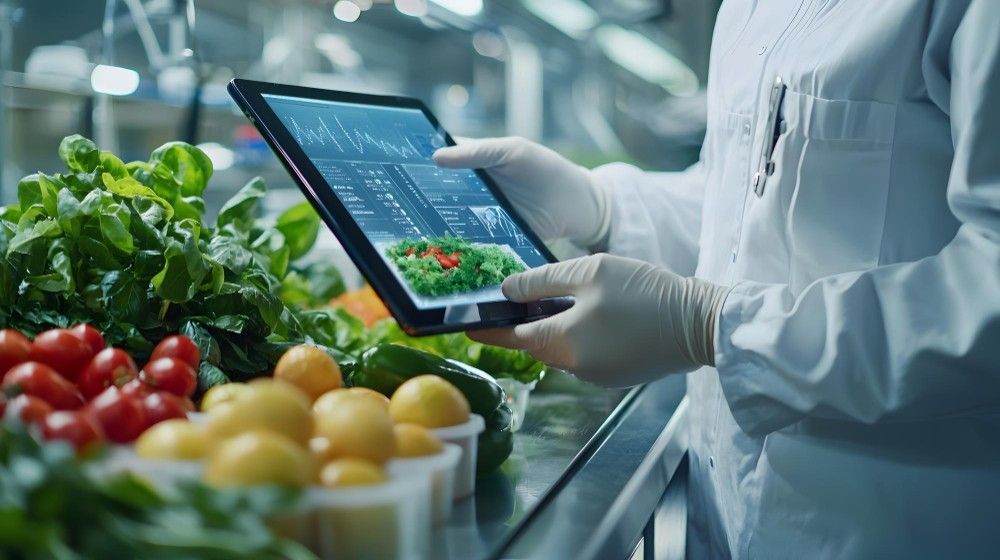
Why Your Next Food Safety Hire Should Be More Digital For decades, the ideal food safety professional had a familiar set of skills. They underst
Read More
Why Your Next Food Safety Hire Should Be More Digital For decades, the ideal food safety professional had a familiar set of skills. They underst
Read More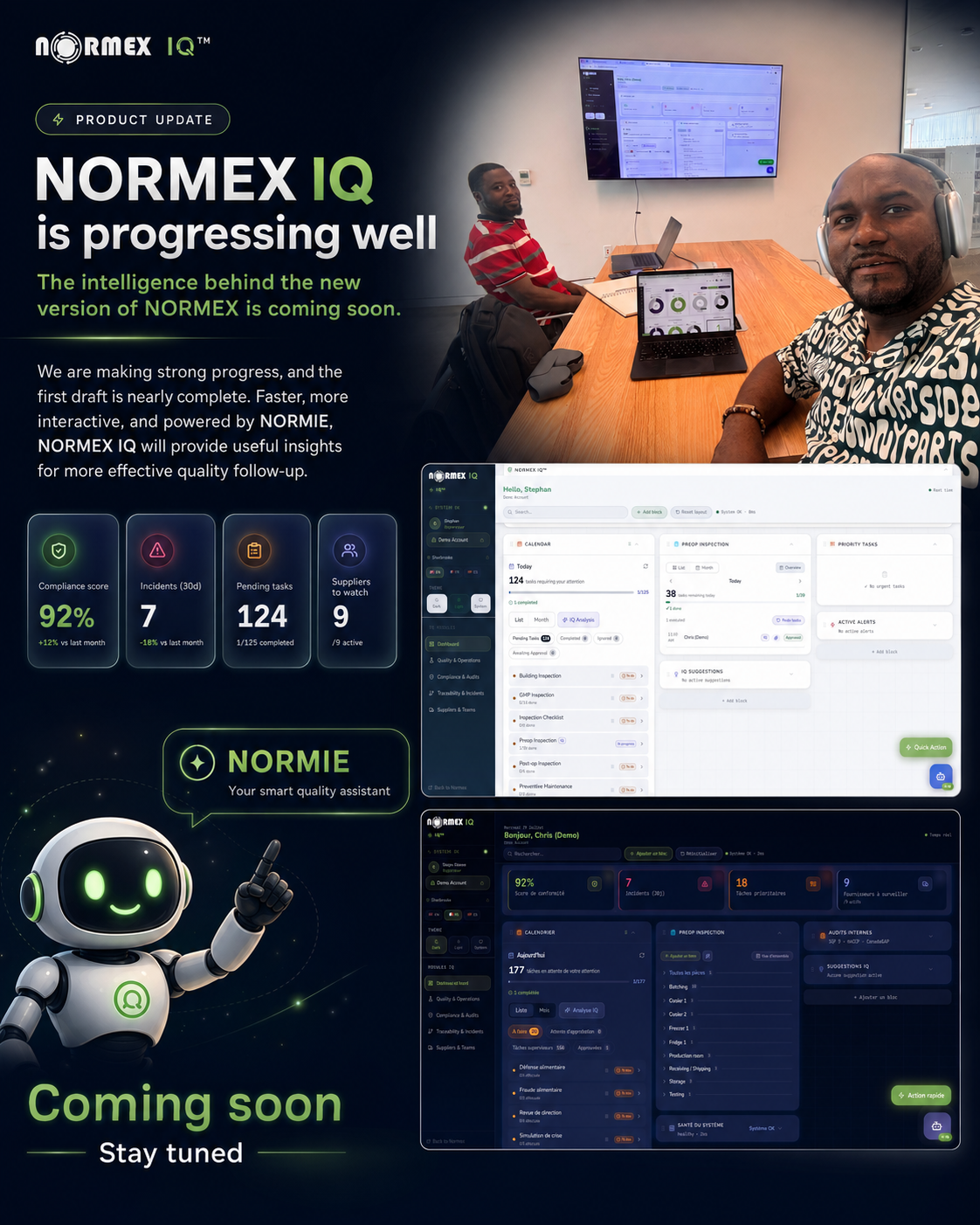
NORMEX IQ is coming: smarter food safety and quality management We’re making strong progress on the next generation of NORMEX, and the first
Read More
The Hidden Cost of Disconnected Food Safety Systems It rarely feels like a crisis at first. One team uses paper. Another uses Excel. Suppl
Read More
What Happens When Data Is Missing It often begins with a question that sounds simple. A customer calls and asks: “Which ingredient lot
Read More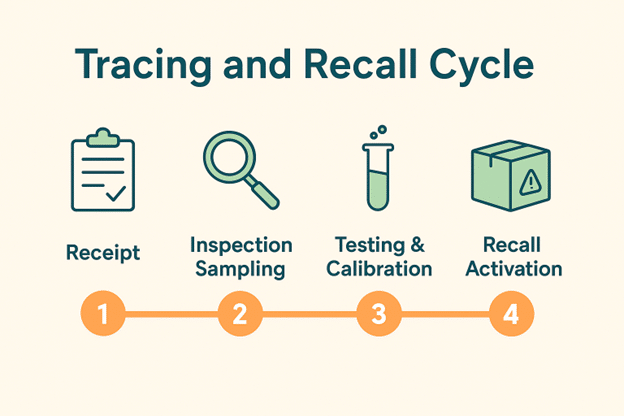
Traceability Isn't for Recalls Only Mention the word "traceability" in a food manufacturing meeting, and most people immediately thin
Read More
Why “Just This Once” Is Dangerous It almost never begins with a major decision. No one walks into a food plant intending to compromi
Read More
